
Approach
How I Work
Many the people come to therapy motivated to change, but quietly convinced they can't — often the very symptoms that brought them in have been with them for as long as they can remember. In a strange way, those symptoms were helpful at some point. Letting go of that protection feels like a risk, even when they make life harder.
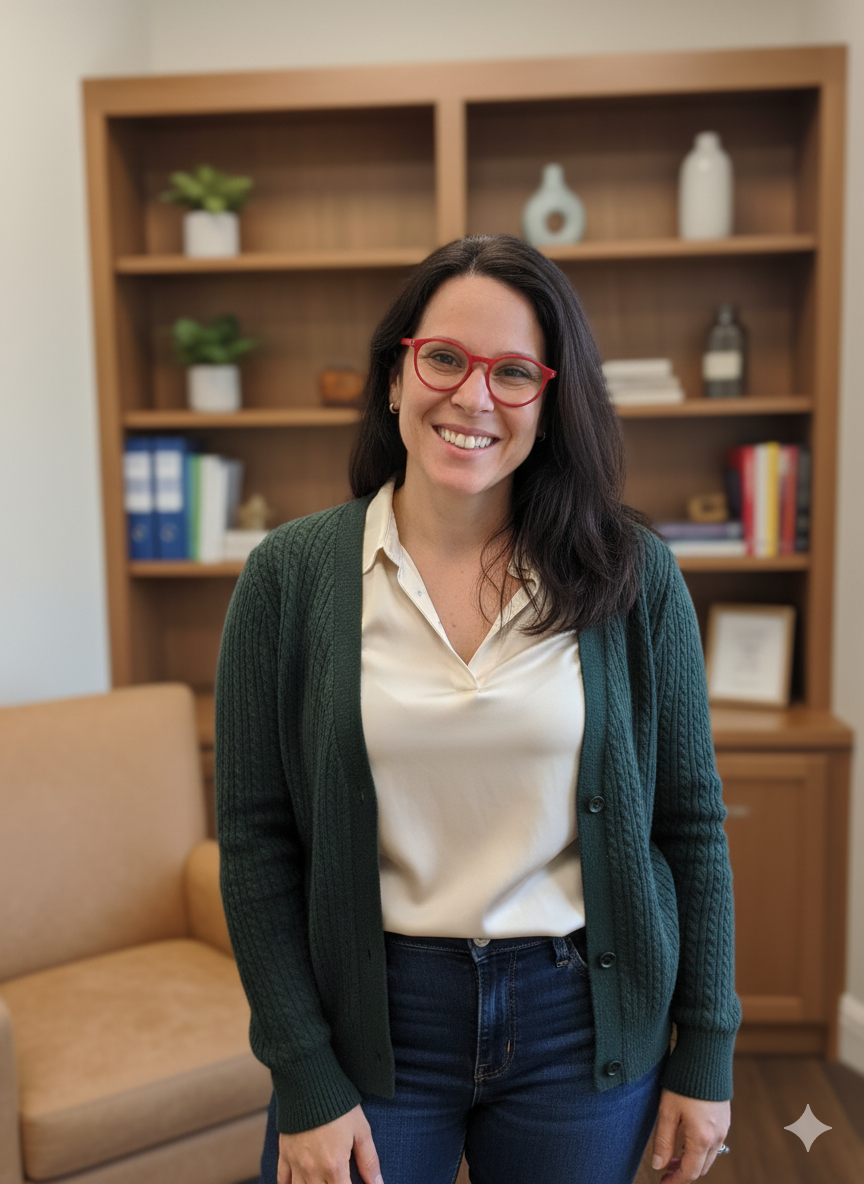
What I've learned over thirty years is that change rarely starts with insight alone. It starts with a relationship — one where I meet a client with real, unconditional regard, and they slowly see themselves the way I see them: capable, resourceful, and already carrying more strength than they realize. At first, they don't quite believe it. Over time, we build the evidence together, session by session, until they don't need to borrow my belief in them anymore — it's become their own.
I draw on family systems therapy, cognitive-behavioral therapy, and humanistic psychology, and I integrate them deliberately, based on what the person or couple in front of me actually needs — sometimes structure, sometimes space to be understood, often both. I also pay attention to the physical foundations of well-being — sleep, movement, nutrition, gut health — because emotional health and physical health are never really separate.
I'm not a physician or nutritionist, and I coordinate with those providers when that's part of someone's picture, but I don't ignore the body just because my training is in the mind.
Growth, not just symptom relief
A lot of clinical psychology is oriented around diagnosing and reducing pathology — and that has its place. But much of my work lives somewhere else: with people who are already functioning well by most measures, and who come to therapy not because something is broken, but because they want to keep growing.
That's a genuinely humanistic thread in my work, distinct from a purely symptom-focused model — the belief that psychological work isn't only for crisis, it's also a serious tool for becoming more fully yourself.
If there's a thread running through thirty years of this work, it's this: I help people trust that change is possible, and then I help them prove it to themselves.